All Information
Equipment Checklist for Island Peak Climbing


Trekking in Nepal demands preparation for diverse terrains and unpredictable weather. From warm sunny days to freezing nights, you'll experience it all. Here's a category-wise breakdown of everything a trekker should bring:
1. Clothing and Layering System
Layering is key for staying warm, dry, and comfortable. The classic system includes base layers, mid-layers, and outer layers.
Base Layers (Inner Layers)
- Moisture-wicking T-shirts (2–3 pairs, synthetic or merino wool)
- Thermal tops and bottoms (1–2 sets, light or midweight)
- Sports bras (for female trekkers)
- Quick-dry trekking underwear (3–5 pairs)
Mid Layers (Insulating)
- Fleece jacket or pullover (1–2)
- Lightweight down or synthetic insulated jacket
- Softshell jacket (optional)
Outer Layers (Protection)
- Waterproof and windproof shell jacket (Gore-Tex or similar)
- Waterproof trekking pants
- Light windbreaker (optional)
Trekking Pants and Shorts
- Convertible trekking pants (2 pairs)
- Lightweight hiking shorts (1 pair)
- Thermal trekking tights
Headwear and Handwear
- Sun hat or cap
- Beanie or wool hat
- Neck gaiter or buff
- Lightweight gloves
- Insulated waterproof gloves
2. Footwear
Your feet are your best friends in the Himalayas. Good-quality shoes can make or break your trek.
Trekking Footwear
- High-ankle waterproof trekking boots (well broken-in)
- Camp shoes or sandals
- Warm socks (2 pairs wool/synthetic)
- Liner socks (2 pairs)
- Gaiters (optional)
3. Backpacks and Bags
Main Backpack
- 50–70L backpack with rain cover
- Padded hip belt and adjustable straps
Daypack
- 25–35L daypack
- Rain cover
Duffel Bag (Optional)
- 70–90L duffel bag (commonly provided by trekking agencies)
Dry Bags & Organizers
- Waterproof dry bags
- Packing cubes
4. Sleeping Gear
Tea houses provide basic bedding, but extra insulation ensures better sleep.
- 4-season sleeping bag (-10°C to -20°C)
- Sleeping bag liner
- Inflatable pillow
- Sleeping mat (for camping treks)
5. Eating and Drinking Essentials
- Reusable water bottles (2 × 1L)
- Hydration bladder (optional)
- Water purification tablets or filter
- Mug or cup
- Spoon or spork
- Trail snacks (energy bars, dry fruits)
6. Personal Hygiene and Toiletries
- Biodegradable soap
- Toothbrush and toothpaste
- Quick-dry towel
- Wet wipes
- Hand sanitizer
- Toilet paper
- Lip balm with SPF
- Sunscreen (SPF 50+)
- Moisturizer
- Deodorant
- Razor and mirror
- Feminine hygiene products
- Nail cutter and comb
7. Health and First Aid Kit
Essential Medicines
- Diamox
- Paracetamol / Ibuprofen
- Anti-diarrheal tablets
- ORS sachets
- Antiseptic cream
- Band-aids, moleskin, blister plasters
- Gauze and medical tape
- Water purification tablets
- Cough drops
- Prescription medicines
- Mosquito repellent
8. Trekking Equipment & Accessories
- Trekking poles
- Headlamp with extra batteries
- Sunglasses (UV-protected)
- Power bank (10,000 mAh+)
- Camera or GoPro
- Extra memory cards
- Binoculars (optional)
- Multi-tool or small knife
- Duct tape
- Lighter or matches
- Notebook and pen
- Small padlock
- Travel adapter (Type C/D)
- Portable charger/solar panel
9. Camping Gear (Optional)
- Tent (4-season or 3-season)
- Sleeping mat or foam pad
- Camping stove and fuel
- Lightweight cooking pot
- Fire starter or lighter
- Reusable utensils
10. Important Documents and Money
- Valid passport with visa
- Passport-size photos
- Trekking permits (TIMS, ACAP, etc.)
- Travel insurance
- Copies of passport and insurance
- Cash (Nepali rupees)
- Credit/debit cards
- Emergency contacts
- Flight tickets and itinerary
11. Optional Comfort Items
- Book or Kindle
- Playing cards
- Lightweight scarf
- Small Bluetooth speaker
- Snacks from home
- Massage ball
12. Packing Tips for Nepal Trekking
- Pack light but smart – Porters carry 15–20 kg only.
- Use waterproof bags to protect valuables.
- Label your items for porter organization.
- Avoid cotton – choose wool or synthetics.
- Test your gear before your trip.
Travel Insurance for Island Peak Climbing
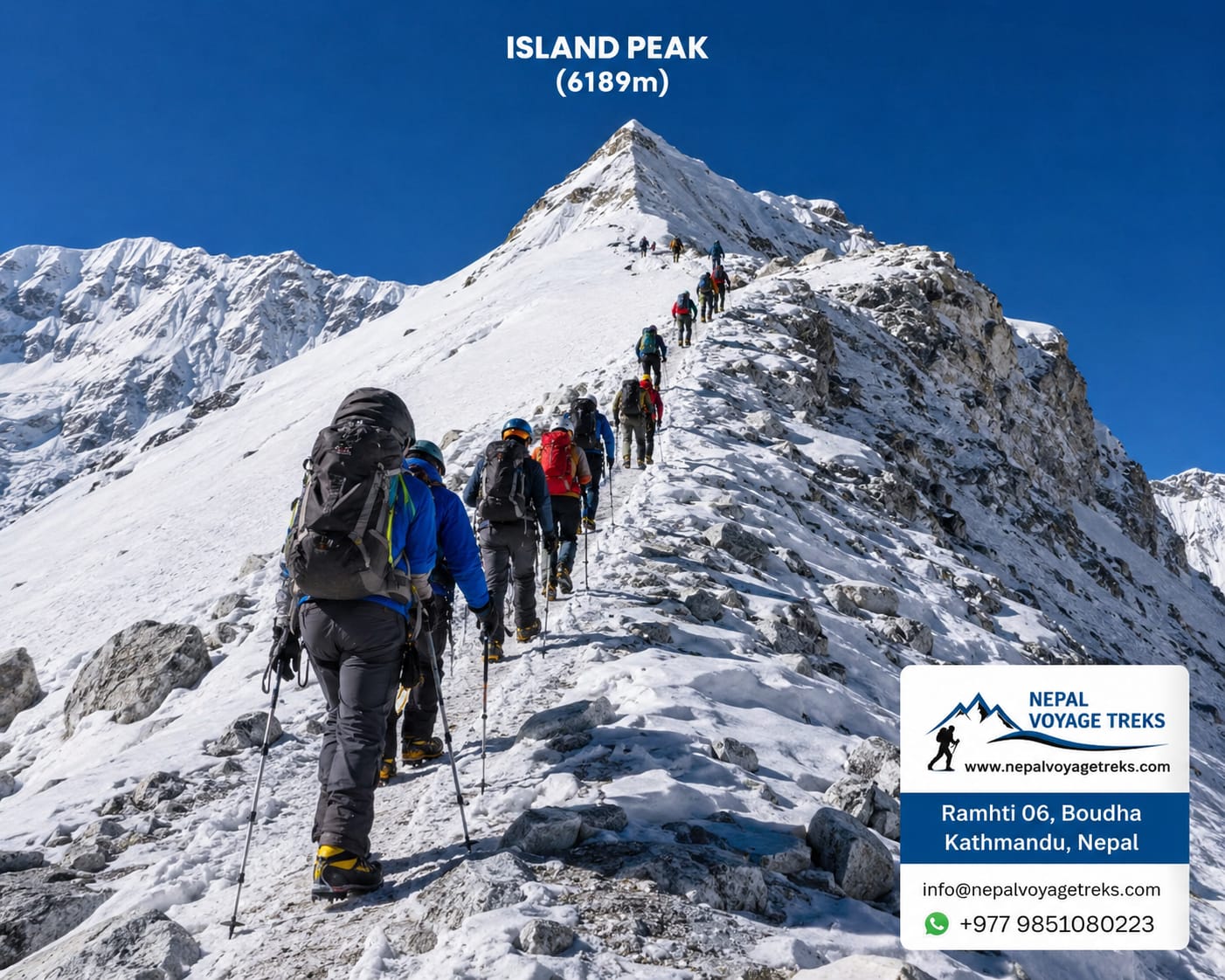
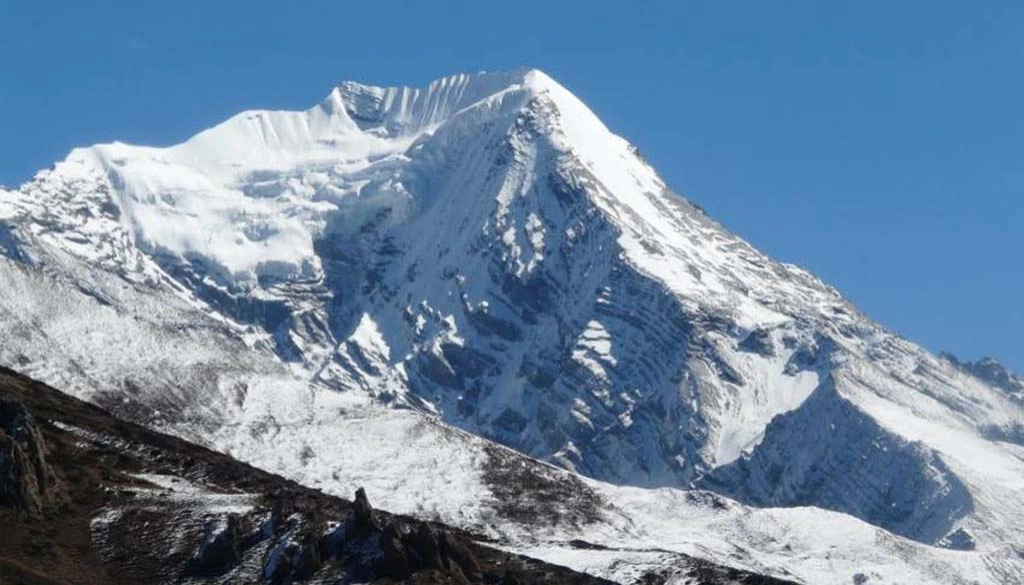
Travel insurance is a mandatory and essential requirement for anyone planning an Island Peak Climbing expedition. Standing at an elevation of 6,189 meters (20,305 feet), Island Peak, also known as Imja Tse, is one of Nepal's most popular trekking peaks in the Everest region. The climb takes you through remote mountain villages, glaciers, high-altitude camps, and snow-covered terrain where weather conditions can change rapidly and medical facilities are extremely limited. In the event of an accident, injury, or altitude-related illness, emergency helicopter rescue may be the quickest and safest way to receive medical assistance.
Nepal Voyage Treks Pvt. Ltd. strongly recommends that every climber purchase comprehensive travel insurance before arriving in Nepal. A suitable insurance policy provides financial protection against unexpected situations and ensures that emergency assistance can be arranged quickly if required throughout your expedition.
Why Do You Need Travel Insurance for Island Peak Climbing?
Island Peak is considered one of Nepal's best introductory mountaineering peaks, but it is still a challenging expedition that requires good physical fitness and basic climbing skills. Climbers travel above 6,000 meters, where reduced oxygen levels significantly increase the risk of altitude-related illnesses. The climb also involves glacier crossings, steep snow slopes, fixed ropes, and crevasses, making proper insurance essential for every participant.
A comprehensive travel insurance policy helps protect you against unexpected emergencies and allows you to focus on your climbing adventure with confidence.
With the right insurance, you can benefit from:
- Emergency helicopter rescue and evacuation from any point along the Island Peak climbing route.
- Search and rescue operations in remote mountain areas if required.
- Medical treatment, hospitalization, and emergency healthcare.
- Coverage for altitude-related illnesses, including Acute Mountain Sickness (AMS), High Altitude Pulmonary Edema (HAPE), and High Altitude Cerebral Edema (HACE).
- Protection against trip cancellation, interruption, or travel delays caused by severe weather or unforeseen circumstances.
- Coverage for lost, delayed, or damaged baggage and climbing equipment, depending on your insurance policy.
- Peace of mind throughout your expedition.
What Should Your Insurance Cover?
Before purchasing travel insurance, carefully review the policy to ensure it specifically covers high-altitude peak climbing, mountaineering activities, and emergency rescue services.
1. High-Altitude Peak Climbing Coverage
Your insurance policy must clearly cover peak climbing up to at least 6,500 meters, as Island Peak reaches 6,189 meters. Many standard travel insurance policies exclude mountaineering or high-altitude climbing, so always confirm that Island Peak (Imja Tse) Climbing is specifically covered before purchasing your policy.
2. Emergency Helicopter Rescue and Evacuation
Island Peak is located in the remote Everest region, where helicopter evacuation is often the only practical option during a medical emergency. If you suffer from severe altitude sickness, an injury, or another serious condition, immediate helicopter rescue can be life-saving.
Your insurance policy should include:
- Emergency helicopter rescue from trekking trails, Chhukung, Island Peak Base Camp, High Camp, glaciers, or the summit route.
- Air evacuation to the nearest appropriate medical facility.
- Search and rescue operations in remote mountain areas.
- Emergency transportation expenses.
Helicopter rescue in the Everest region can cost between USD 4,000 and USD 8,000 or more, depending on the rescue location, weather conditions, and the complexity of the operation. Nepal Voyage Treks Pvt. Ltd. strongly recommends purchasing an insurance policy that provides at least USD 100,000 in medical expenses and emergency evacuation coverage.
3. Medical Expenses
Your insurance policy should include comprehensive coverage for:
- Emergency medical treatment.
- Hospitalization.
- Doctor consultations.
- Prescription medications.
- Diagnostic tests.
- Treatment for altitude-related illnesses.
- Emergency transportation.
This coverage helps protect you from substantial medical expenses if an emergency occurs during your expedition.
4. Trip Cancellation and Trip Interruption
Flights to Lukla, changing mountain weather, illness, natural disasters, or unexpected personal emergencies may affect your travel plans. A comprehensive insurance policy should reimburse eligible non-refundable expenses if your expedition is cancelled, delayed, or interrupted.
5. Baggage and Climbing Equipment
Island Peak Climbing requires specialized mountaineering equipment, including mountaineering boots, crampons, an ice axe, climbing harness, helmet, ascenders, carabiners, ropes, insulated clothing, sleeping bags, and other technical gear. Insurance that covers lost, stolen, or delayed baggage and climbing equipment can help reduce financial losses if your equipment is affected during travel.
6. Personal Liability
Personal liability coverage protects you if you accidentally cause injury to another person or damage someone else's property during your expedition.
Recommended Travel Insurance Providers
Several international insurance companies offer policies suitable for high-altitude trekking and mountaineering expeditions. Popular providers include:
- World Nomads
- Allianz Travel Insurance
- Global Rescue
- True Traveller (for eligible European residents)
- AXA Assistance
Insurance policies vary depending on your country of residence and provider. Before purchasing, confirm that your policy specifically covers Island Peak Climbing (Imja Tse), mountaineering activities above 6,000 meters, emergency helicopter rescue, search and rescue operations, and high-altitude medical evacuation.
Important Documents to Carry
Before beginning your expedition, make sure you carry the following documents:
- A printed copy of your travel insurance policy.
- A digital copy stored on your mobile phone or accessible through email.
- Your insurance policy number.
- Emergency contact numbers for your insurance provider.
- Copies of your passport, visa, climbing permits, and other important travel documents.
It is also recommended that you provide your insurance details to your climbing guide and the Nepal Voyage Treks Pvt. Ltd. office before your expedition begins. Keeping this information readily available allows emergency helicopter rescue, medical treatment, and other assistance to be arranged quickly if required during your Island Peak Climbing adventure, ensuring a safer and more secure experience in the Himalayas.
Tips for Climbing Sherpas, Guides, Porters, and Support Staff
An Island Peak Climbing expedition is one of Nepal's most popular mountaineering adventures, combining the legendary Everest Base Camp Trek with the excitement of climbing Island Peak (6,189 meters / 20,305 feet). Known locally as Imja Tse, Island Peak offers breathtaking views of Mount Everest, Lhotse, Nuptse, Ama Dablam, Makalu, Baruntse, and countless snow-covered Himalayan peaks. The climb includes glacier travel, fixed ropes, steep snow slopes, and exposed ridges, making the support of experienced climbing Sherpas essential for a safe and successful summit.
Throughout your expedition, a dedicated team of climbing Sherpas, trekking guides, porters, cooks, and support staff works tirelessly behind the scenes to ensure your journey is well organized, comfortable, and safe. Their experience and commitment play a significant role in helping you achieve your summit goal.
Tipping is a long-standing tradition in Nepal's trekking and mountaineering industry. Although not compulsory, it is a respectful and meaningful way to recognize the hard work, professionalism, and dedication of the team that supports your Island Peak climbing adventure.
1. Guide, Climbing Sherpa, Porter, and Support Staff Wages
Professional climbing Sherpas, trekking guides, and porters are paid according to their qualifications, responsibilities, and the duration of the expedition. Nepal Voyage Treks Pvt. Ltd. is committed to providing fair wages, insurance, meals, accommodation, and quality equipment for all expedition staff.
During your Island Peak Climbing expedition, your support team is responsible for:
- Leading you safely throughout the trekking and climbing route.
- Monitoring your health and acclimatization.
- Conducting climbing training and equipment demonstrations.
- Assisting with ropes, harnesses, crampons, and ice axes.
- Carrying climbing gear and expedition supplies.
- Preparing nutritious meals during the trek.
- Managing camps and daily logistics.
- Coordinating emergency assistance if required.
Although these services are included in your climbing package, tips remain a valuable way to acknowledge exceptional service.
2. How Much Should You Tip?
Tipping is entirely voluntary and should reflect the level of service and support you receive throughout the expedition.
Recommended Tipping Guidelines
| Expedition Staff |
Recommended Tip |
| Climbing Sherpa |
USD 150–300 per climber |
| Trekking Guide |
USD 100–180 per climber |
| Porter |
USD 50–100 per climber |
| Kitchen Staff |
USD 40–80 per climber |
| Assistant Guide |
USD 60–120 per climber (if applicable) |
The amount you choose to tip may depend on:
- The duration of the expedition.
- The professionalism of the climbing team.
- The quality of service provided.
- The size of your group.
- The level of individual support you received.
- Whether your climbing Sherpa accompanied you to the summit.
Many climbers choose to provide a higher tip to their climbing Sherpa because they take on greater responsibility during the technical sections of the climb and play a vital role in ensuring a safe ascent and descent.
3. Group Tipping
If you are climbing as part of a group, it is common for all participants to contribute toward a shared tip that is presented to the expedition staff at the end of the journey.
This approach helps ensure every member of the climbing team receives fair recognition for their hard work and contribution to your success.
Most climbers present tips during the farewell dinner in Kathmandu after completing the expedition.
4. Respecting Your Climbing Team
Island Peak is a demanding high-altitude climb that requires trust, teamwork, and effective communication. Your climbing Sherpas possess extensive experience in the Everest region and understand the mountain's changing weather, glacier conditions, and technical challenges.
Respect Your Climbing Sherpa and Guide
Your climbing Sherpa is responsible for your safety throughout the expedition and provides valuable support during the summit push.
Always:
- Follow all climbing and safety instructions carefully.
- Attend the pre-climb training session.
- Respect decisions regarding weather and mountain conditions.
- Inform your guide immediately if you feel unwell or notice symptoms of altitude sickness.
- Trust your guide's judgment during technical climbing sections.
Their experience is one of the most important factors contributing to a safe and successful expedition.
Respect Your Porter
Porters work extremely hard to transport your luggage and expedition equipment through the Everest region.
Please remember:
- Keep your duffel bag within the recommended weight limit set by your trekking company.
- Pack only the items you truly need.
- Treat your porter with kindness, patience, and respect throughout the journey.
Supporting responsible trekking practices helps improve working conditions and supports local mountain communities.
5. Safety Comes Before the Summit
Reaching the summit of Island Peak is a remarkable accomplishment, but returning safely is always more important than standing on the top.
If your expedition leader or climbing Sherpa recommends postponing or cancelling the summit attempt because of:
- Strong winds.
- Heavy snowfall.
- Poor visibility.
- Dangerous glacier conditions.
- Avalanche risk.
- Altitude sickness.
- Any other safety concerns.
Always respect their decision. A safe return is the greatest success, and the mountain will always be there for another opportunity.
6. When and How to Tip
The best time to present tips is after the expedition has been completed, usually during the farewell dinner or before departing Kathmandu.
For a respectful presentation:
- Place your tip inside an envelope.
- Hand it directly to each member of the climbing team whenever possible.
- Personally thank them for their dedication and support.
- A simple "Dhanyabad" (Thank you) is always warmly appreciated.
Your sincere gratitude often means just as much as the financial reward.
7. Other Ways to Show Appreciation
In addition to tipping, there are many ways to recognize the hard work of your expedition team.
You can:
- Write positive reviews on Google or TripAdvisor.
- Mention your climbing Sherpa or guide by name.
- Share expedition photographs with your team.
- Recommend Nepal Voyage Treks Pvt. Ltd. to friends and fellow climbers.
- Stay in contact with your guide after returning home.
These thoughtful gestures help Nepal's mountain professionals build their reputation and support future employment opportunities.
8. Quick Summary
| Aspect |
Recommendation |
| Climbing Sherpa Tip |
USD 150–300 per climber |
| Trekking Guide Tip |
USD 100–180 per climber |
| Porter Tip |
USD 50–100 per climber |
| Kitchen Staff Tip |
USD 40–80 per climber |
| When to Tip |
At the end of the expedition |
| How to Tip |
Present personally in an envelope with a sincere thank you |
| Best Practice |
Respect your climbing team, follow safety advice, and tip according to the quality of service received |
Final Note
Island Peak Climbing is an unforgettable journey that combines one of the world's most famous trekking routes with an exciting Himalayan summit. Every successful expedition is made possible by the dedication of experienced climbing Sherpas, trekking guides, porters, cooks, and support staff who work tirelessly to keep you safe, comfortable, and motivated throughout the adventure.
By offering fair tips and expressing genuine appreciation for their hard work, you help support Nepal's mountaineering community and recognize the skilled professionals whose expertise and commitment make your Island Peak Climbing experience both safe and truly unforgettable.